



Key Benefits of Omnichannel Fulfillment for 3PLs (with 3Gistix as an Example)

Unified Inventory Visibility & Reduced Stock Issues
By synchronizing inventory across online stores, marketplaces, physical stores, and warehouses, 3PLs can avoid overselling, stockouts, and excess inventory. Providers like 3Gistix can offer real-time inventory dashboards that help clients and operations stay aligned.

Faster Delivery & Better Customer Experience
With omnichannel fulfillment, closer distribution of inventory and integration with multiple channels enables quicker order fulfillment. This leads to faster shipping, more delivery options, order tracking, and overall improved customer satisfaction.
Cost Efficiency & Optimized Logistics
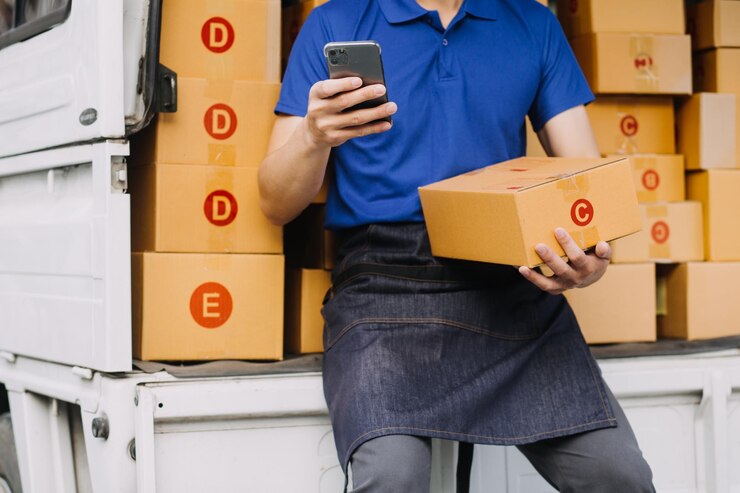
Omnichannel allows 3PLs to route orders from the nearest fulfillment location (warehouse or store), reducing transportation and last-mile delivery costs. Smart order routing and distributed warehouses help 3Gistix optimize spend, while maintaining service levels.

Scalability & Flexibility
As brands grow or peak seasons come, handling orders across channels requires flexible systems. Omnichannel-capable 3PLs are better positioned to scale operations (warehouses, labor, shipping) without duplicating systems or creating silos.
Improved Returns & Reverse Logistics
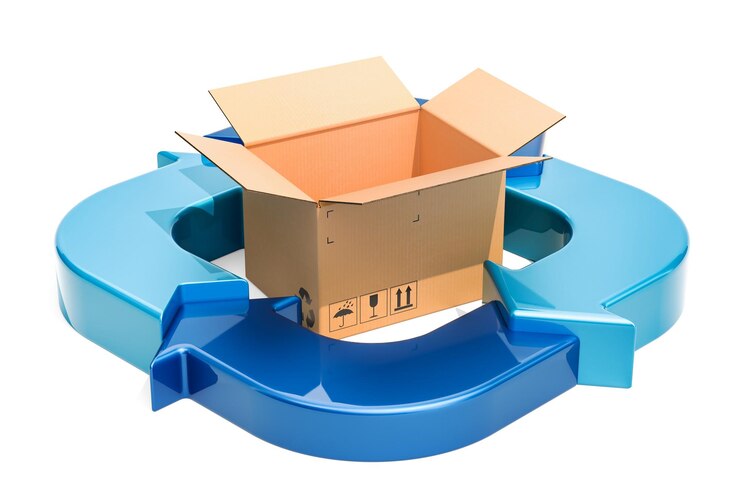
Omnichannel strategies improve how returns are managed (e.g. customers returning online purchases to physical stores). This enhances customer loyalty and reduces friction. Providers such as 3Gistix that build in reverse logistics support add considerable value.

Data-Driven Decision Making & Forecasting
With orders coming from multiple sources, integrated systems generate richer data. Analytics on order patterns, channel performance, inventory turnover, and delivery timelines help 3PLs (and clients) make better operational, sourcing, and fulfillment decisions.
Conclusion
Omnichannel fulfillment is not just a trend—it’s increasingly becoming a core expectation from retailers, brands, and end customers. As sales channels proliferate (online marketplaces, physical stores, social commerce, etc.), 3PLs are under pressure to deliver consistency, speed, visibility, and reliability across all those channels.
For providers like 3Gistix, embracing omnichannel fulfillment means more than infrastructure—it means investing in technology, integrating data, strategically locating fulfillment nodes, and optimizing logistics flows. Those that do will benefit from lower costs, higher customer loyalty, better scalability, and stronger competitive positioning.
In a market where customer expectations are rapidly rising, 3PLs that lead in omnichannel fulfillment will be the ones that thrive.
References
- Grand View Research. Third-party Logistics Market (2024 – 2030)
- ShipBob. Omnichannel Fulfillment Guide
- Verified Market Research. US Retail 3PL Market Size By Service Type (Dedicated Contract Carriage (DCC), Domestic Transportation Management (DTM), Warehousing And Distribution, International Transportation Management (ITM)), By End-User Industry (Apparel, Electronics, Grocery, Furniture), By Geographic Scope And Forecast


