E-commerce continues to surge in 2025, but with it comes one of the biggest challenges for retailers and logistics providers: returns. Customers expect an easy, seamless process when sending products back, and businesses that fail to deliver risk losing customer loyalty. This is where Reverse Logistics as a Service (RLaaS) comes into play. By partnering with experts like 3Gistix, businesses can transform returns management from a cost center into a value driver, ultimately improving customer experience and operational efficiency.
Why Returns Management Is a Game-Changer
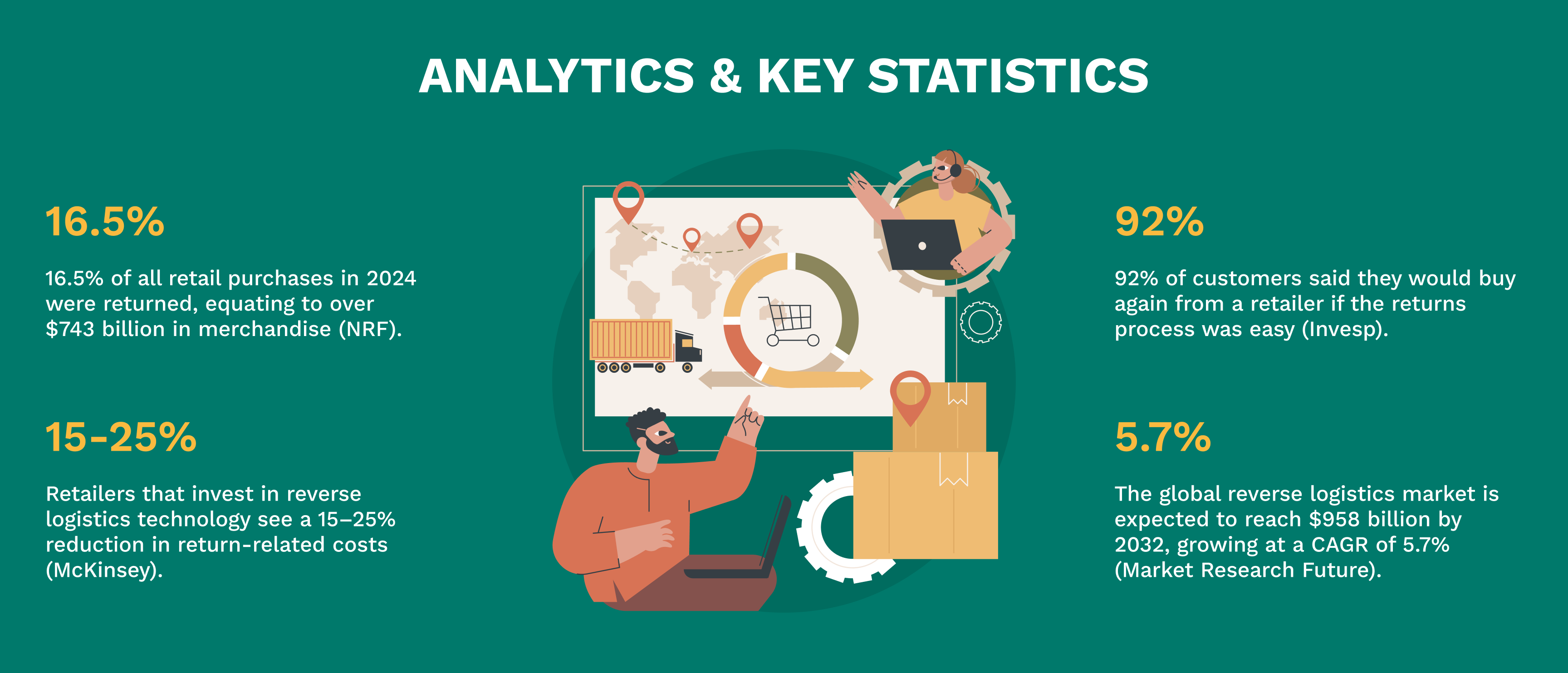
Returns are no longer an afterthought. For many companies, they are a central component of the customer experience. According to the National Retail Federation (NRF), the average return rate for e-commerce purchases hovers around 16–18%, representing hundreds of billions in merchandise annually.
Moreover, PwC research highlights that 73% of consumers say customer experience is a key factor in purchase decisions—and that includes how returns are handled. A poor returns experience can lead to customer churn, while a smooth one builds loyalty and increases repeat purchases.

How Reverse Logistics as a Service (RLaaS) Works
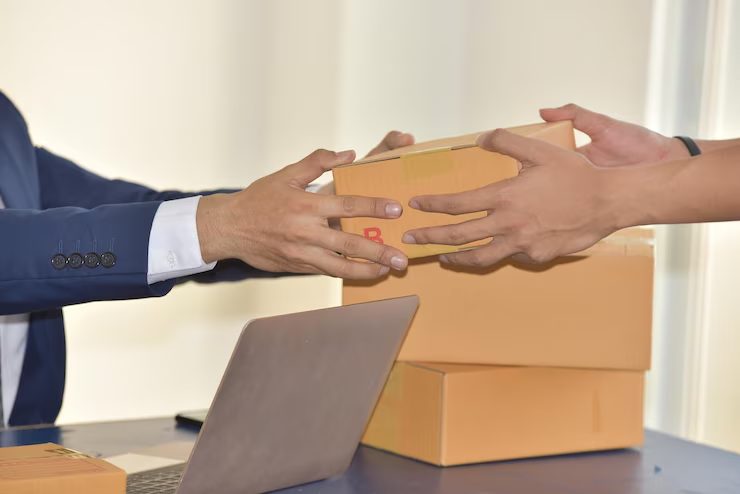
Customer-Friendly Returns
Easy-to-use portals, prepaid labels, and drop-off partnerships simplify the customer process.
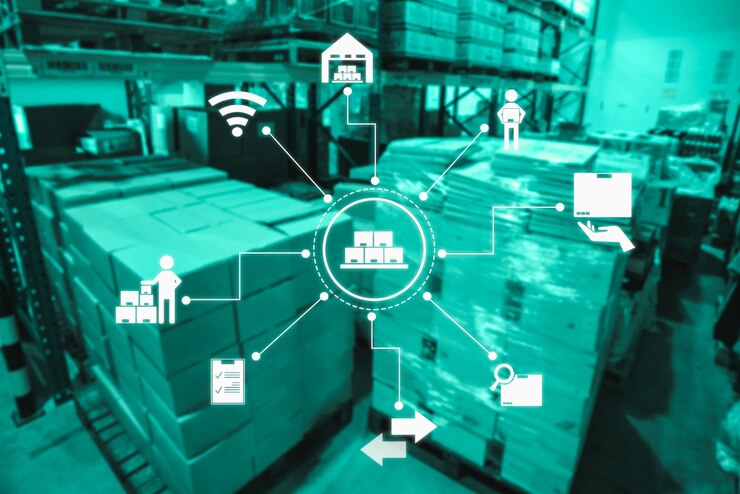
Centralized Processing
3Gistix provides efficient consolidation centers where returned items are inspected, refurbished, or routed for resale.
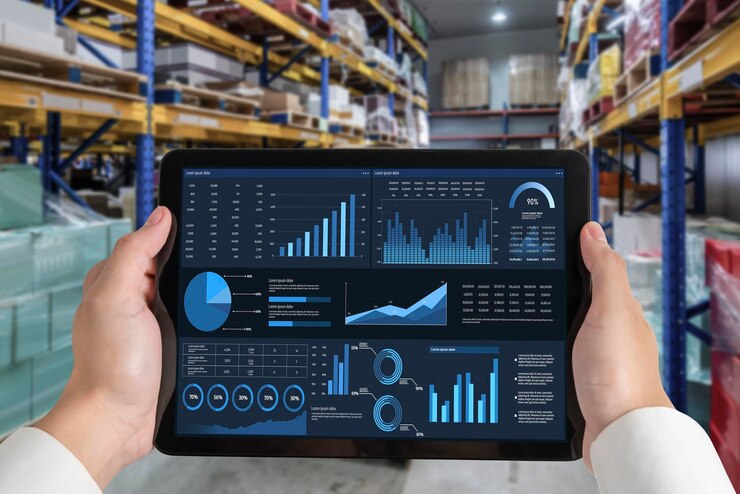
Data-Driven Insights
APIs and analytics track return patterns, giving businesses insights into product defects, customer preferences, and supply chain inefficiencies.

Sustainable Disposal Options
Instead of landfills, items can be repaired, recycled, or resold—helping brands meet ESG goals.
Integration with Forward Logistics
RLaaS solutions integrate with existing supply chain systems to ensure smooth coordination across shipping, warehousing, and inventory.
Key Benefits for Businesses
Enhanced Customer Experience
An easy returns process boosts customer loyalty and repeat purchases.
Operational Efficiency
RLaaS reduces manual handling and logistics complexity.
Cost Savings
Businesses save 15–25% by outsourcing reverse logistics to specialized providers like 3Gistix.
Sustainability
Proper recycling and refurbishment reduce environmental impact.
Scalable Solutions
Companies can handle seasonal spikes (e.g., post-holiday returns) without overwhelming internal teams.
Conclusion
In 2025, returns management has become a competitive differentiator, not just an operational necessity. Customers expect returns to be fast, transparent, and hassle-free. By adopting Reverse Logistics as a Service and partnering with providers like 3Gistix, businesses can turn what was once a burden into a strategic advantage.
With smarter systems, data-driven insights, and a focus on customer experience, RLaaS is redefining logistics. The companies that embrace this shift will not only save money but also win long-term customer trust.
References
- NRF. NRF and Appriss Retail Report: $743 Billion in Merchandise Returned in 2023
- Retail TouchPoints. NRF: Returns Reach 14.5% of Sales in 2023, Fraud Contributed $101 Billion in Losses
- PR Newswire. Reverse Logistics Market to Reach $947.7 billion, Globally, by 2032 at 4.3% CAGR: Allied Market Research
- Grand View Research. Reverse Logistics Market (2025 – 2033)