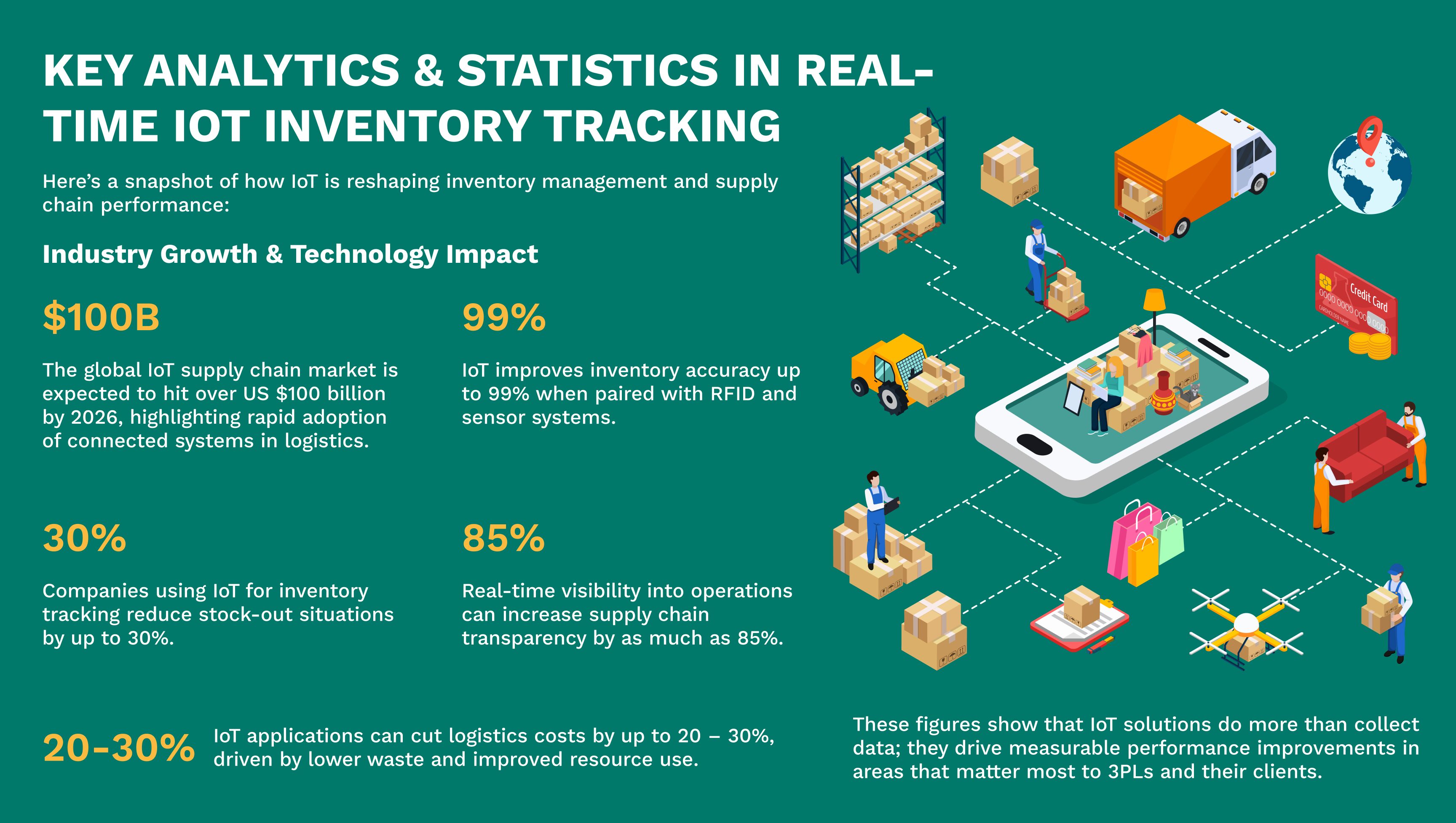
In the modern logistics landscape, real-time inventory management has become a cornerstone of efficient supply chains — especially within third-party logistics (3PL) services. As e-commerce and customer expectations grow, companies must have precise, up-to-the-minute visibility into stock levels, movement, and conditions. This is where the Internet of Things (IoT) steps in. By connecting physical inventory with digital systems, IoT technologies are transforming how 3PL providers like 3Gistix operate — delivering accuracy, speed, and cost-savings across the supply chain.
What Is IoT and Why It Matters in 3PL
The Internet of Things refers to a network of connected devices — sensors, RFID tags, scanners, smart shelves, and other technologies — that collect and transmit data in real time across logistics operations. In a warehouse or fulfillment center, these devices help monitor inventory levels, track item locations, and trigger alerts when certain thresholds are reached. This continuous data flow eliminates manual stock counts and ensures inventory records are always current.
In 3PL environments, real-time data is crucial because multiple clients, SKUs, and sales channels often intersect. Without accurate inventory visibility, businesses can suffer from stockouts, overstocking, costly errors, and unhappy customers.

How IoT Enhances Real-Time Inventory Tracking in 3PL Operations
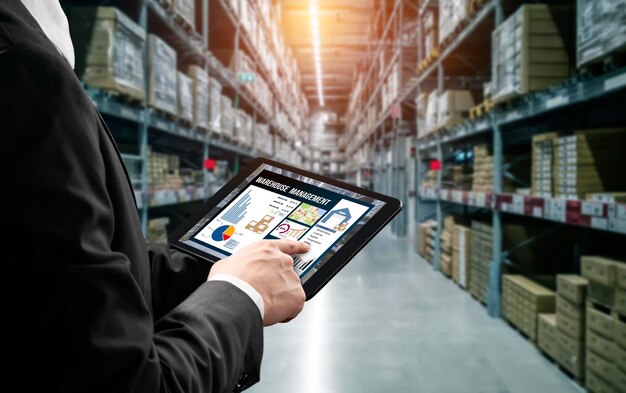
Smart Inventory Monitoring
IoT sensors and RFID tags constantly track stock — from pallets to individual products — providing minute-by-minute updates on quantities and locations. These systems can automatically alert managers when items reach reorder points or are misplaced, allowing proactive decisions that keep inventory balanced.
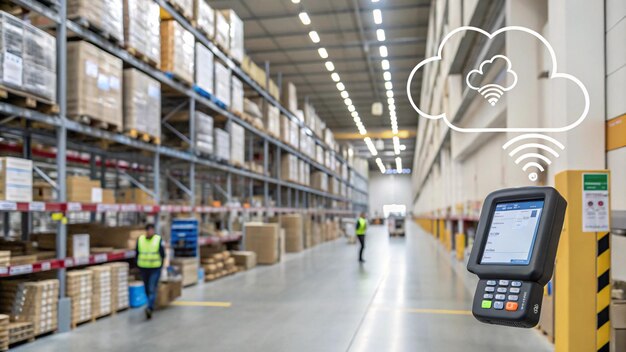
Integration With Cloud & WMS Platforms
Real-time inventory data syncs with Warehouse Management Systems (WMS) and cloud platforms, ensuring all stakeholders (from suppliers to retailers) see the same accurate information instantaneously. This unified view reduces miscommunication and supports multi-location fulfillment strategies.

Environmental Monitoring
For perishable goods — such as food, pharmaceuticals, and temperature-sensitive products — IoT sensors monitor conditions like temperature and humidity. Alerts are triggered if conditions fall out of acceptable ranges, preventing spoilage and ensuring quality compliance.
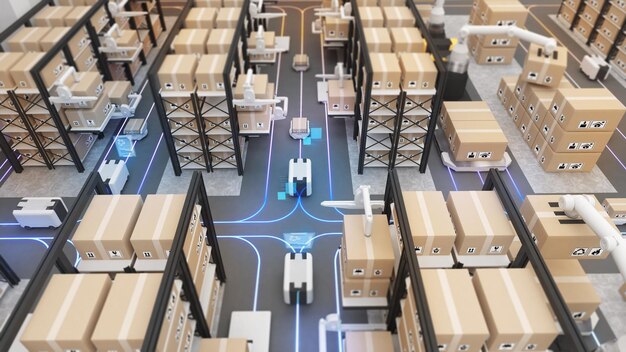
Predictive Alerts & Automation
IoT systems can send real-time notifications for various events: low stock levels, misplaced assets, or abnormal environmental readings. Such automation accelerates problem-solving and reduces reliance on manual checks.
Key Benefits of Real-Time IoT Inventory in 3PL Logistics
Enhanced Accuracy & Reduced Errors
With automated tracking, 3PL providers like 3Gistix eliminate manual counting errors and mismatches between physical stock and digital records, ensuring inventory accuracy that supports reliable order fulfillment.
Cost Efficiency
Real-time insights prevent costly stockouts and overstocking. Lower inventory waste and optimized storage use reduce holding costs — contributing to overall logistics savings in Peso.
Faster Response & Decision-Making
When inventory updates are instant, logistics teams can make faster decisions — whether it’s reallocating stock, adjusting orders, or responding to sudden demand shifts — without waiting for end-of-day reports.
Greater Supply Chain Visibility
Real-time data creates transparency across the entire supply chain — from manufacturer to end customer. This visibility supports better planning, fewer disruptions, and stronger collaboration among partners.
Better Customer Satisfaction
Accurate inventory tracking means fewer delays, fewer backorders, and more reliable delivery windows — all key drivers of customer satisfaction in today’s competitive e-commerce and retail markets.
Conclusion
The adoption of IoT for real-time inventory management is rapidly shifting 3PL operations from reactive to proactive systems. By embedding smart sensors, RFID tags, and automated alerts into logistics workflows, providers like 3Gistix are enabling deep visibility, sharper accuracy, and faster responses throughout the supply chain.
In an era where speed, precision, and adaptability define success, real-time inventory empowered by IoT isn’t just a technological upgrade — it’s a strategic differentiator. Businesses that leverage these capabilities can expect reduced costs, improved customer experiences, and stronger competitive positioning in an ever-evolving logistics landscape.
References