The logistics industry has long struggled with fragmented data, limited visibility, and trust issues across complex supply chains. As global trade becomes more digital and interconnected, businesses are turning to blockchain technology to address these challenges. In 2025 and beyond, blockchain is no longer just a buzzword—it is becoming a practical tool for building transparency, accountability, and trust in logistics operations.
Forward-thinking logistics providers like 3gistix are closely monitoring how blockchain adoption can reshape supply chain management and create more reliable, data-driven ecosystems.
What Is Blockchain and Why It Matters in Logistics
Blockchain is a decentralized, immutable digital ledger that records transactions across multiple systems in real time. Unlike traditional databases, blockchain data cannot be altered once recorded, ensuring accuracy and transparency for all stakeholders.
In logistics, this means every shipment milestone—manufacturing, warehousing, customs clearance, transportation, and final delivery—can be securely recorded and shared across the supply chain.
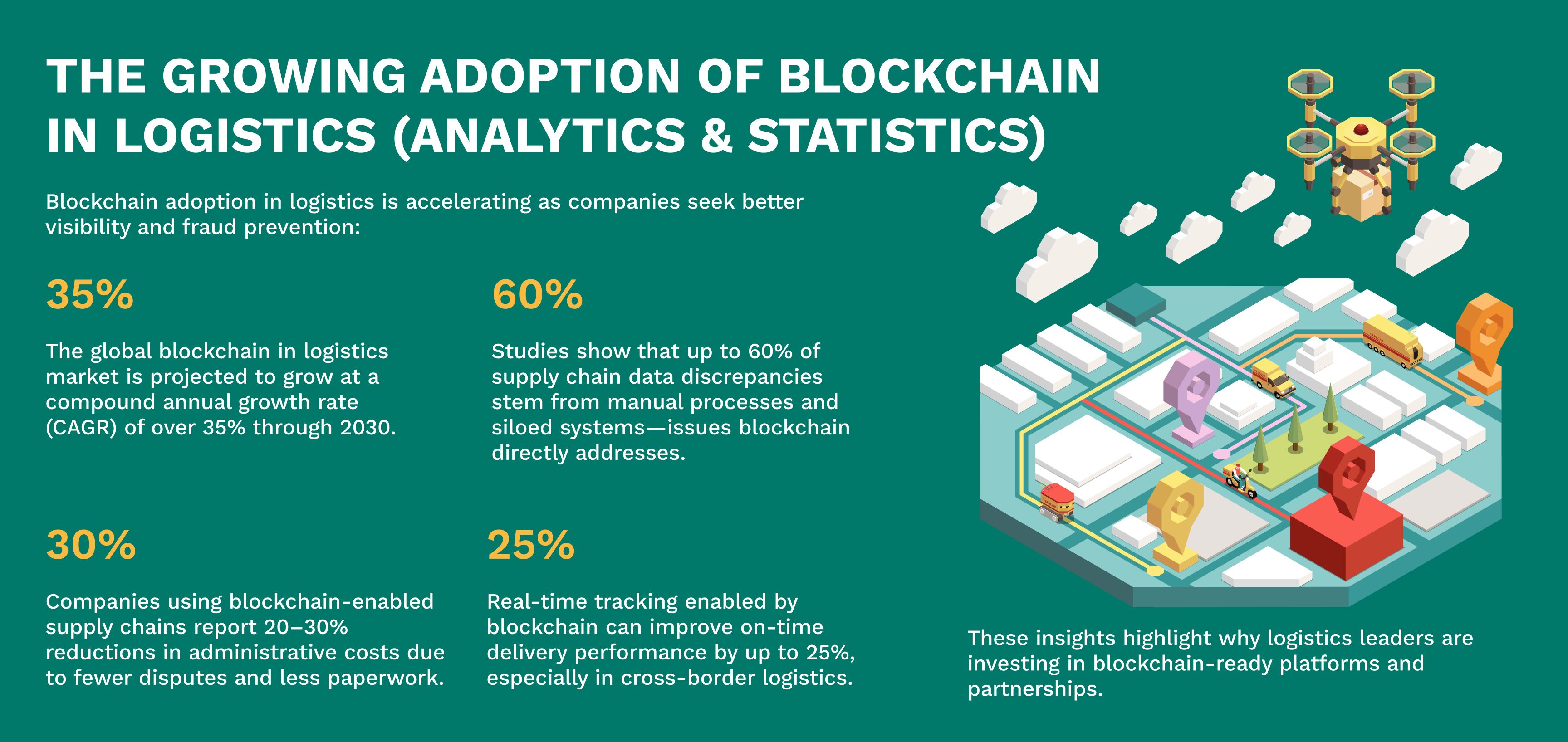
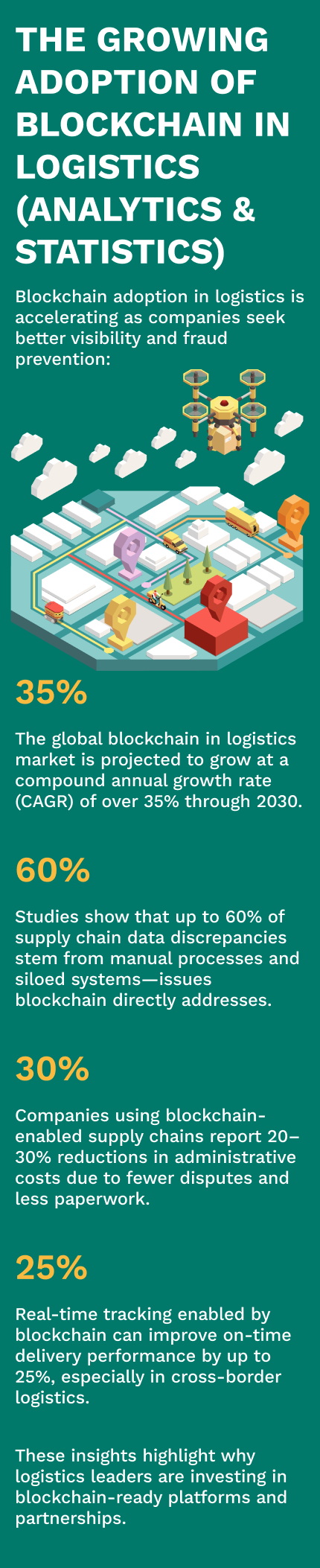
How Blockchain Improves Transparency in Logistics
End-to-End Shipment Visibility
Blockchain provides a single source of truth for shipment data. Every stakeholder—from manufacturers to freight forwarders and customers—can access the same real-time information.
For logistics providers like 3gistix, this level of transparency helps eliminate blind spots and enhances operational control.
Immutable Records and Data Accuracy
Once a transaction is recorded on the blockchain, it cannot be altered. This prevents data manipulation, duplicate records, and unauthorized changes—critical for audits and compliance.
Improved Traceability
Blockchain makes it easy to trace goods back to their origin, which is essential for:
- Product recalls
- Regulatory compliance
- Ethical and sustainable sourcing verification
Building Trust Across the Supply Chain
Trust is often the weakest link in logistics networks, especially when multiple vendors and countries are involved. Blockchain strengthens trust by:
- Reducing disputes through verifiable transaction histories
- Enhancing accountability with time-stamped records
- Improving partner confidence through shared, transparent data
When all parties rely on the same verified data, relationships become more collaborative and less transactional.
Key Benefits of Blockchain in Logistics

Faster Transactions and Settlements
Smart contracts—automated agreements triggered by blockchain events—can release payments instantly once delivery conditions are met, reducing cash flow delays.
Reduced Fraud and Errors
Blockchain significantly lowers the risk of:
- Fake documentation
- Duplicate invoices
- Cargo theft and misrouting

Lower Operational Costs
By minimizing manual processes and intermediaries, companies can reduce administrative overhead and improve efficiency.

Enhanced Customer Trust and Satisfaction
Customers gain access to transparent shipment data, improving confidence and brand loyalty—an increasingly important differentiator for logistics firms like 3gistix.
Challenges to Consider
While blockchain offers substantial benefits, adoption still faces hurdles:
- Integration with legacy systems
- High initial implementation costs
- Industry-wide standardization gaps
However, as technology matures and adoption increases, these barriers are steadily decreasing.
The Future of Blockchain in Logistics
As digital transformation accelerates, blockchain is expected to integrate more deeply with:
- IoT devices for real-time condition monitoring
- AI analytics for predictive supply chain insights
- Cloud-based logistics platforms for scalability
Logistics providers that prepare early will be better positioned to deliver transparency-driven value in an increasingly competitive market.
Conclusion
Blockchain is redefining how trust and transparency are built in logistics. By providing immutable data, real-time visibility, and secure collaboration, blockchain addresses some of the industry’s most persistent challenges. As adoption grows, logistics companies that embrace this technology will gain stronger partnerships, improved efficiency, and greater customer confidence.
For forward-looking logistics providers like 3gistix, blockchain represents not just a technological upgrade, but a strategic advantage—one that strengthens trust, enhances transparency, and supports long-term growth in a rapidly evolving global supply chain.