In recent years, environmental concerns have moved from the sidelines into the core of supply chain strategy. Today, green logistics isn’t just about public relations—it’s about cost efficiency, regulatory compliance, customer expectations, and long-term viability. Third-Party Logistics providers (3PLs) are uniquely positioned to drive this change, since they touch many parts of the value chain: transportation, warehousing, packaging, and distribution. At the forefront of this transformation are firms like 3Gistix, which are helping businesses reduce emissions, waste, and energy usage while improving operational efficiency.
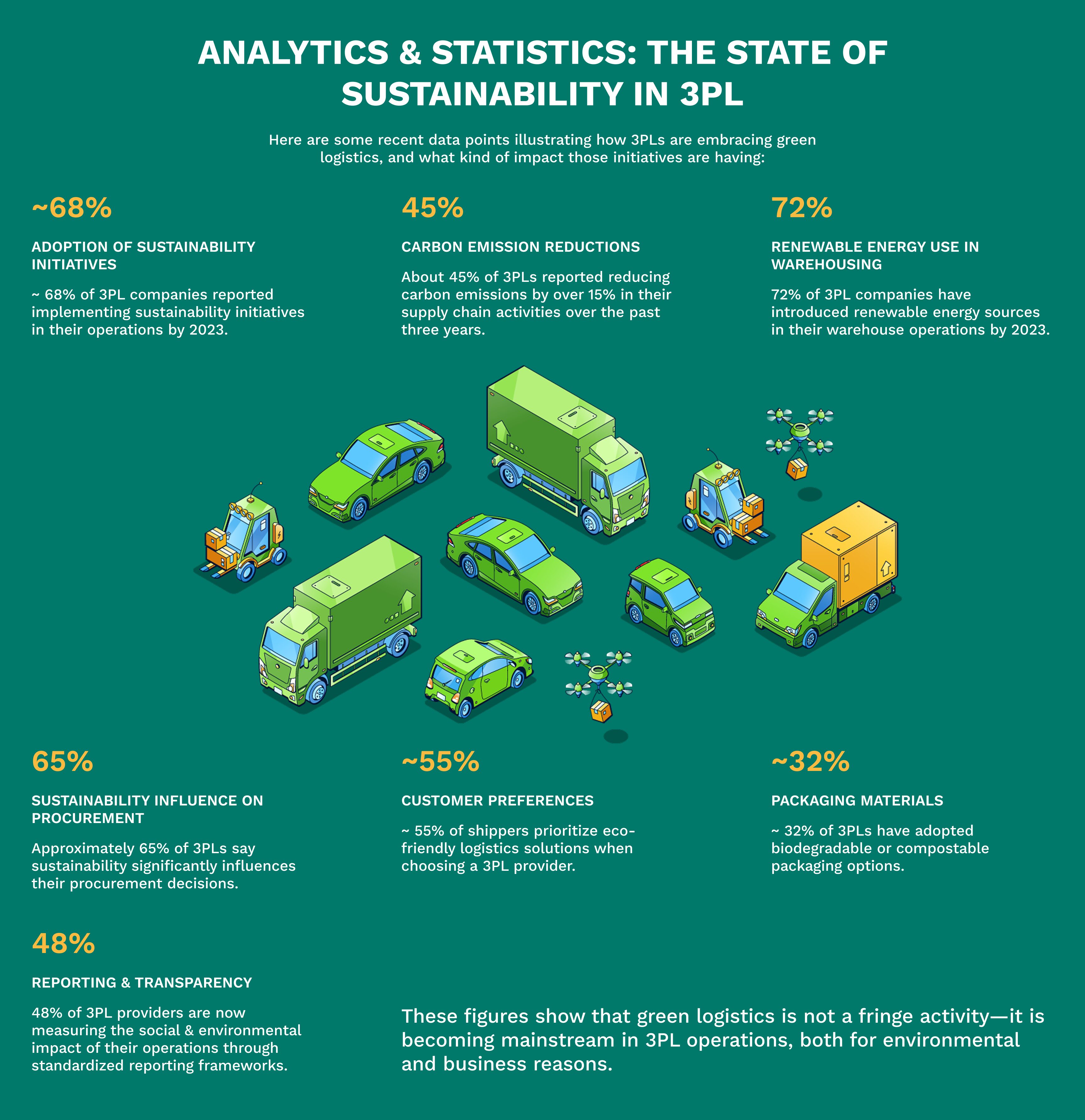

Key Green Practices in 3PL That Reduce Carbon Footprint
Here are specific strategies 3PLs are using, with examples and potential gains. A provider such as 3Gistix could leverage or already be implementing many of these.

Route Optimization & Efficient Transportation
- Use of advanced software and predictive analytics to plot the most fuel-efficient routes, avoid congestion, and consolidate shipments. Adoption of electric vehicles (EVs), hybrid or alternative fuel fleets for last-mile and regional delivery.
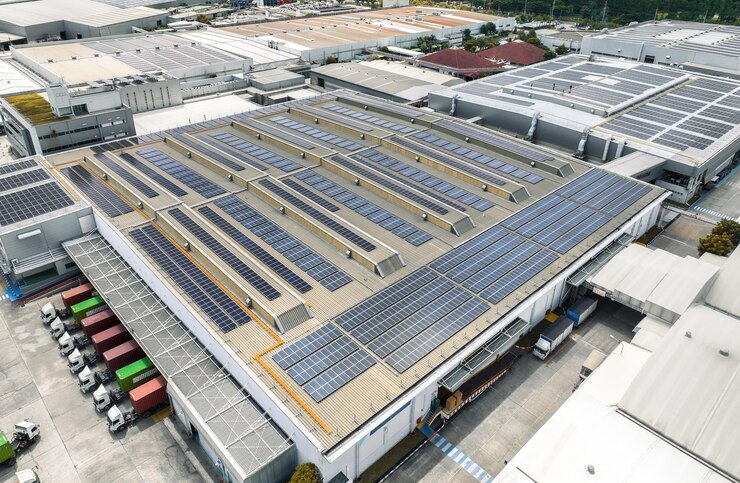
Energy-Efficient Warehousing
- Switching to LED lighting, installing smart HVAC/temperature controls, occupancy sensors, and efficient building insulation.
- Integrating renewable energy (solar panels, wind where possible) to power warehouses.

Sustainable Packaging & Material Management
- Using recyclable, biodegradable, or reusable packaging, minimizing the use of non-renewable plastics.
- Optimizing package sizes, reducing padding or filler, consolidating shipments.
Use of Technology & Data for Monitoring & Optimization - IoT, sensors, telematics to monitor vehicle performance, warehouse energy consumption, idle times, etc.
- Real-time tracking, carbon accounting, reporting frameworks (GRI, etc.) for transparency and continuous improvement.

Key Benefits of Adopting Green Logistics for 3PLs
Green logistics isn’t just ethically sound—it delivers tangible benefits. Here are the key advantages, especially relevant for a 3PL like 3Gistix:
Reduced Costs
Lower fuel, energy, packaging, and maintenance costs. Over time, savings from energy efficiency and optimized transport accumulate.
Regulatory Compliance & Risk Reduction
Many regions are tightening laws around emissions, packaging waste, and environmental impact. Being proactive helps avoid fines and stay ahead.
Enhanced Brand & Market Position
Customers are increasingly eco-aware. 3PLs that can demonstrate sustainability attract clients who prefer partners with green credentials.
Improved Operational Efficiency
Route optimizations, better warehousing design, fewer returns and waste lead to smoother operations and less waste.
Stakeholder Trust & Employee Morale
Transparency on environmental initiatives can increase trust among clients, investors, and improve satisfaction among employees.
Future-proofing & Innovation
Embracing green technologies, gathering data, and adopting sustainable infrastructure gives 3PLs an edge as standards tighten and competition grows.
Challenges & How to Overcome Them
Of course, implementing green logistics comes with obstacles. Understanding them helps in planning:
| Challenge | Possible Strategies to Overcome |
|---|---|
High Upfront Costs (EVs, renewable energy installations, building retrofits) |
Seek subsidies, government grants; phased implementation; calculate Total Cost of Ownership (TCO) to show long-term payback. |
Infrastructure Gaps (e.g. charging stations, alternative fuels) |
Partner with local governments or energy providers; locate facilities in places with better infrastructure; hybrid solutions meanwhile. |
Data & Tracking Complexity |
Adopt standardized reporting frameworks; invest in IoT and software for tracking energy, emissions; partner with tech providers. |
Supply Chain & Partner Alignment |
Ensure suppliers and carriers share sustainability goals; include clauses or standards in contracts; collaborate toward mutual targets. |
Regulatory Complexity & Variability |
Stay informed about local, national, international regulations; maintain flexible systems; leverage expert advice/legal counsel. |
How 3Gistix Can Drive Green Logistics
Here are ways 3Gistix can lead or assist clients in reducing carbon footprint and building more sustainable logistics:
- Offer eco-friendly shipment routing & transportation solutions, including alternative fuel and EV fleet options.
- Equip warehouses with energy-efficient infrastructure: LED lighting, smart HVAC, solar installations, sensors.
- Provide sustainable packaging options and packaging optimization services.
- Use data analytics tools to monitor carbon emissions, energy consumption, waste metrics; integrate sustainability KPIs into client dashboards.
- Collaborate with suppliers and clients to set shared carbon reduction targets; participate in carbon offset or neutral programs.
- Publicly report environmental metrics and achievements to build trust and brand value.
Conclusion
Green logistics is no longer a niche trend—it’s a strategic imperative for 3PL providers in 2025 and beyond. By reducing carbon footprints, 3PLs can achieve cost savings, compliance, improved operations, and stronger market positioning. The data shows that many 3PLs are already making progress: cutting emissions, using renewable energy, improving packaging, and embedding sustainability frameworks in their operations. Companies like 3Gistix that embrace these practices are well-placed to lead the way.
For businesses evaluating logistics partners, the key is to look for measurable commitments: what sustainability initiatives are in place, what emissions reductions have been documented, what technologies are being leveraged, and how transparent reporting is. The future belongs to those who can deliver not just goods—but greener, cleaner value chains.
References
- Weitnauer. Third-Party Logistics Sustainability: Key Green Practices
- A1 Quality Logistical Solutions. Sustainability in Logistics: How 3PL Providers are Adapting to Green Practices
- Zipdo. Sustainability In The 3Pl Industry Statistics