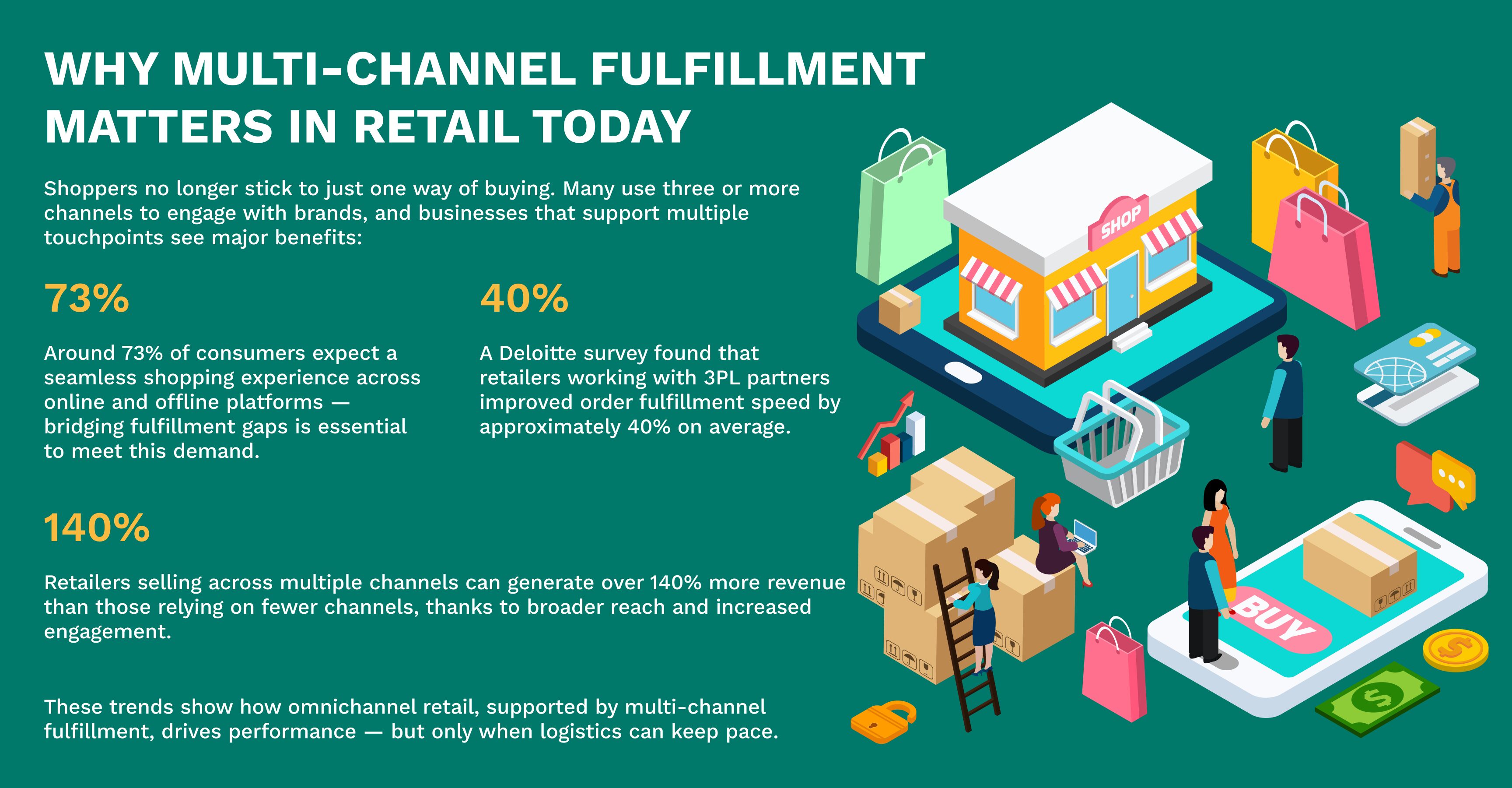
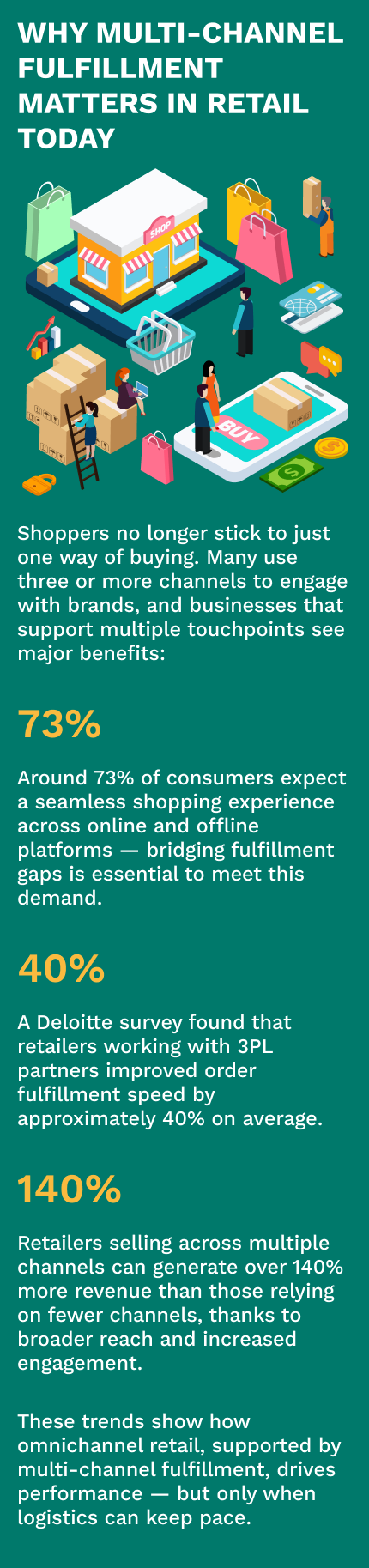
As consumer shopping habits evolve, retail has shifted from isolated channels to omnichannel experiences — where customers expect seamless interactions whether they shop online, in-store, or through social platforms. For modern brands, this shift means that logistics must be agile, synchronized, and intelligently connected. Multi-channel fulfillment has become a core strategy for retailers aiming to meet customer expectations — and 3PL partners like 3Gistix are helping businesses scale fulfillment operations efficiently and reliably.
How 3PLs Support Multi-Channel Fulfillment
Unified Inventory & Order Management
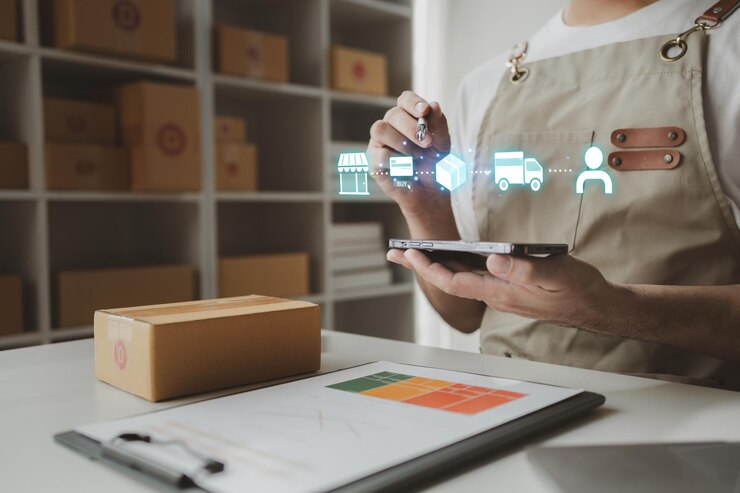
One of the biggest challenges in multi-channel retail is syncing inventory across many sales platforms. Advanced 3PLs like 3Gistix use real-time warehouse management systems (WMS) to provide unified visibility across online marketplaces, retail stores, and direct channels — preventing stockouts, overselling, and fulfillment delays.
Flexible Fulfillment Options
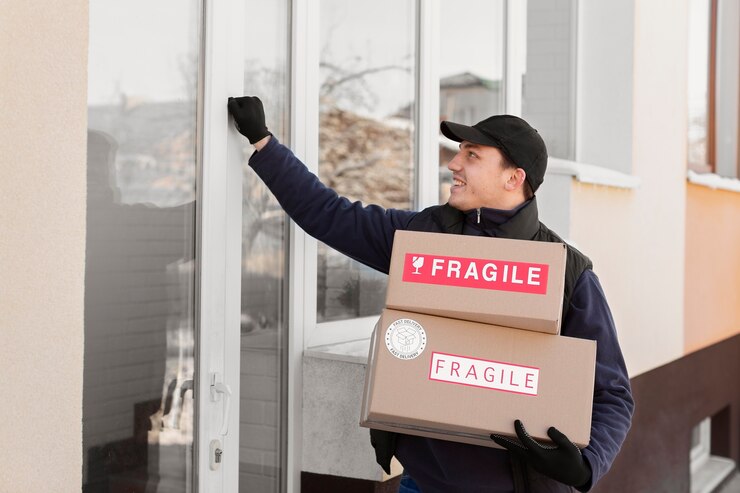
Customers today want choices — same-day delivery, Buy Online Pick Up In Store (BOPIS), or curbside pickup are increasingly (and expected) standards. A reliable 3PL network allows brands to deliver orders from the most strategic locations, whether that’s a warehouse or a local retail hub, reducing transit time and costs.
Cost Optimization Across Channels
Managing fulfillment separately for each channel can be costly and inefficient. Centralizing fulfillment through a partner like 3Gistix helps optimize labor, transportation routes, and storage — ultimately reducing logistics costs and allowing brands to invest more in customer engagement and growth strategies.
Scalable Peak Capacity
Order volumes fluctuate — especially during holidays or product launches. 3PLs provide scalable labor and storage capacity to handle seasonal spikes effortlessly, ensuring fulfillment operations remain fast and accurate without burdening in-house teams.
Advanced Analytics & Insights
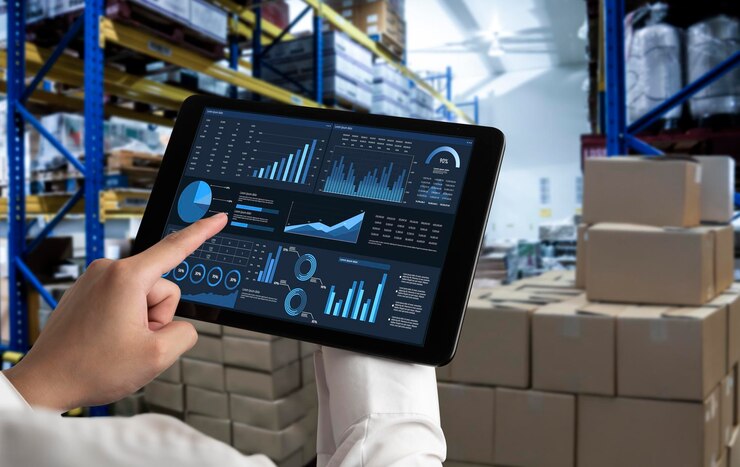
Beyond raw capacity, data and analytics play a crucial role in multi-channel fulfillment. Integrated systems provide insights into performance metrics, demand trends, and channel behavior — helping brands make smarter inventory and distribution decisions.
Key Benefits of Multi-Channel Fulfillment with 3Gistix
Improved Customer Satisfaction
With synchronized fulfillment and real-time tracking, customers experience consistent delivery performance across channels — boosting loyalty and repeat purchases.
Cost Efficiency
By optimizing routing, leveraging shared infrastructure, and reducing redundant inventory, brands can lower per-order fulfillment costs while maintaining speed.
Elevated Revenue Potential
Multi-channel customers tend to spend more due to broader engagement and convenience. Businesses that support multiple channels effectively unlock more revenue opportunities.
Operational Flexibility
A multi-channel strategy allows brands to pivot quickly — adding new sales platforms or exploring new markets without major logistics disruptions.
Simplified Returns & Reverse Logistics
Customers expect hassle-free returns regardless of purchase channel. Multi-channel 3PL systems handle returns efficiently, reducing complexity and maintaining inventory accuracy.
Conclusion
In an era where customers shop everywhere — online marketplaces, social media, mobile apps, and physical stores — multi-channel fulfillment isn’t just a competitive edge — it’s a business necessity. By partnering with a flexible, technology-driven 3PL like 3Gistix, brands can streamline inventory, speed up delivery, and deliver experiences that meet modern expectations.
References
- 3PL Center. Seamless Omnichannel fulfillment for retail.
- AnchorGroup. 17 Retail Multi-Channel Selling Statistics Every Business Leader Should Know in 2025
- Snapl. What Makes 3PLs Essential for Multi-Channel Fulfillment During Peak Season
- Olimp Warehousing. Multi-Channel vs. Omni-Channel Fulfillment Strategies: Key Differences, Trends, and Best Practices