

In today’s logistics landscape, sustainability is no longer a “nice‑to‑have” — it’s a strategic business priority. As consumers, governments, and corporations push for greener operations, third‑party logistics (3PL) providers are integrating eco‑friendly strategies throughout the supply chain. Companies like 3Gistix are leading this green transformation by embedding sustainable practices into every stage of logistics, helping businesses reduce environmental impact and improve operational performance.
Why Sustainability Matters in 3PL
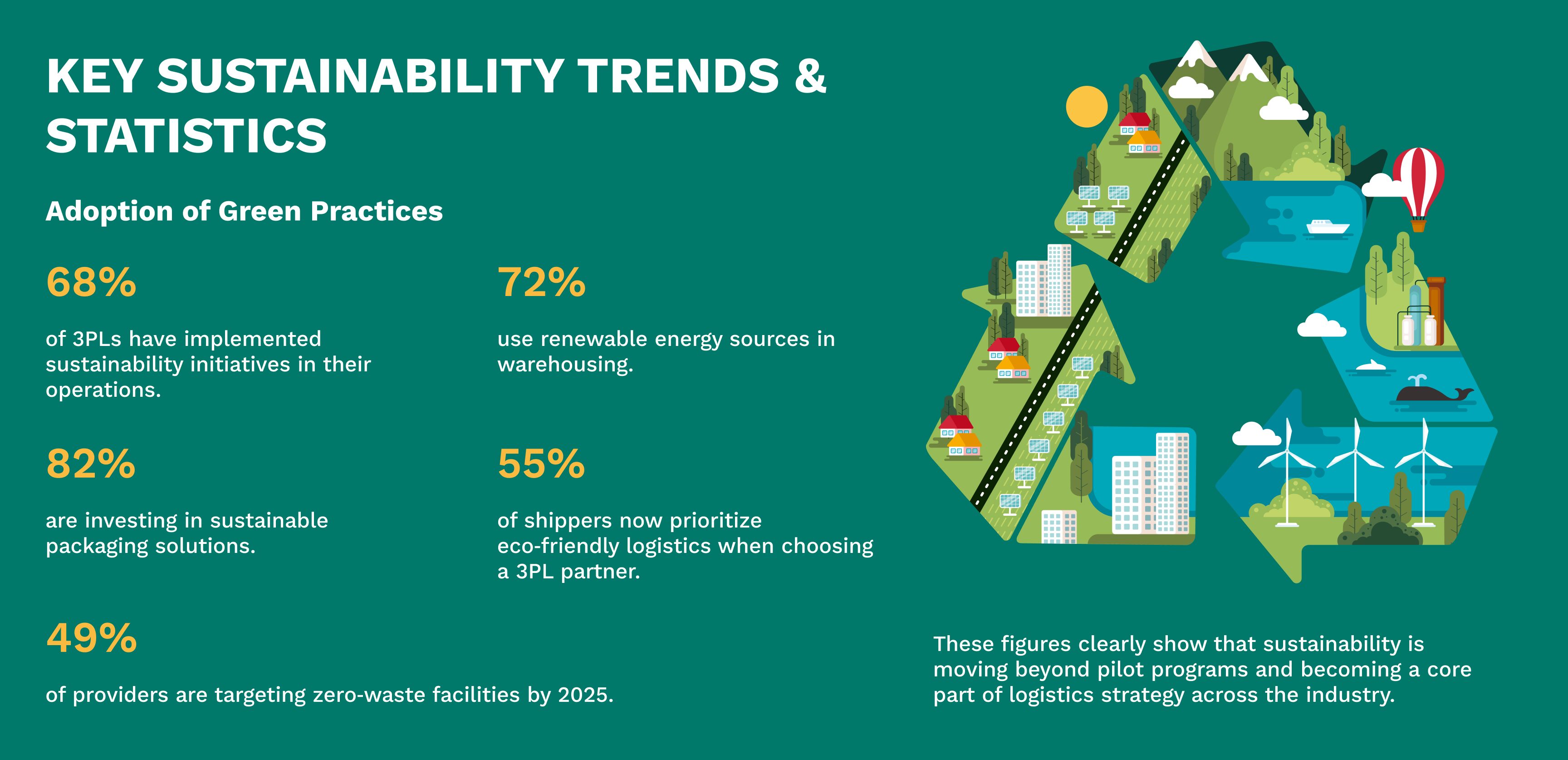
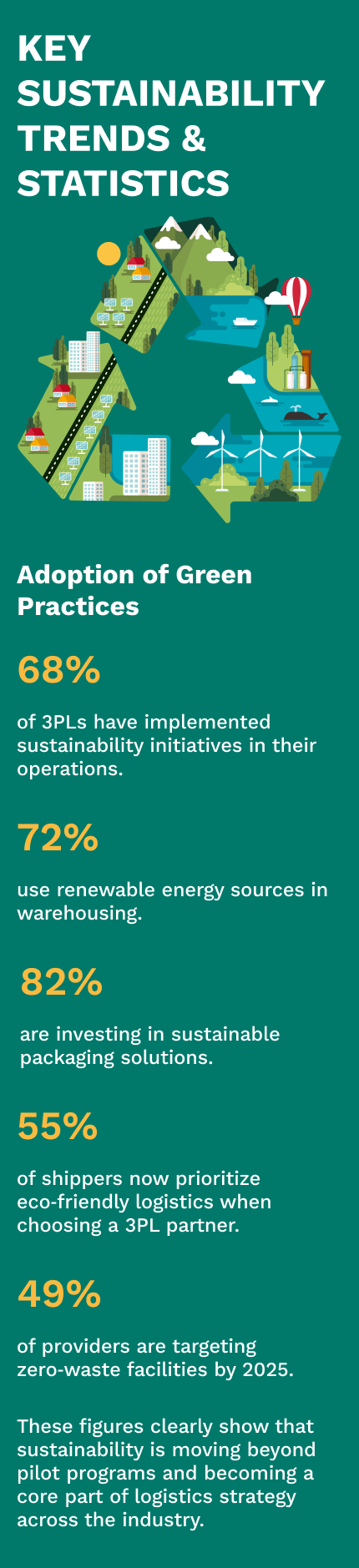
Globally, supply chains are responsible for up to 90 % of a company’s environmental impact, according to industry research, making sustainable logistics critical for corporate sustainability goals.
Environmental concerns — from carbon emissions to waste generation — are reshaping how logistics works. Sustainability isn’t just about being “green”; it’s about future‑proofing operations, cutting costs, and meeting customer expectations.
Eco‑Friendly Strategies in Modern 3PL Operations

Green Transportation & Fuel Innovations
Shifting to electric vehicles (EVs), biofuel‑powered trucks, and route optimization platforms significantly cuts carbon emissions. Advanced route planners not only reduce fuel use but also lower delivery costs, making logistics greener and more efficient.
Energy‑Efficient Warehousing
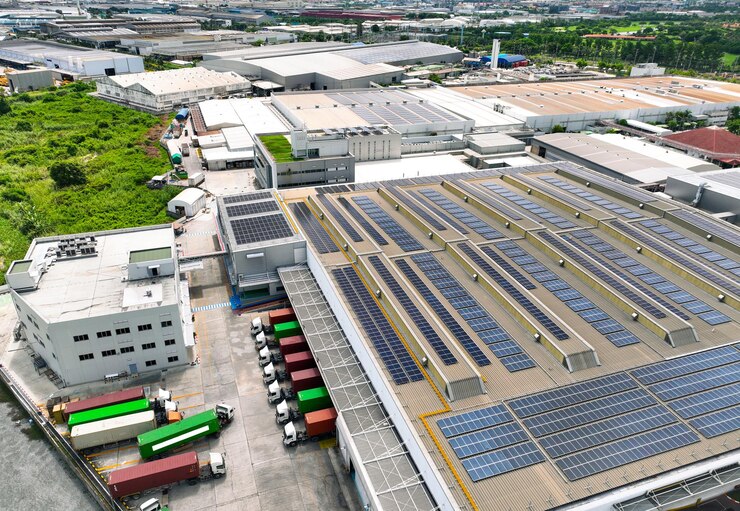
Sustainable warehouses use:
- Solar panels and renewable energy sources
- LED and smart lighting systems
- Smart HVAC (climate control) systems
Energy‑efficient buildings reduce operational costs and shrink the carbon footprint of storage facilities.

Eco‑Friendly Packaging
Using biodegradable, compostable, or recyclable packaging materials helps cut waste and landfill burden. Sustainable packaging designs also reduce material usage and transportation weight, leading to significant cost savings.
Circular & Reverse Logistics
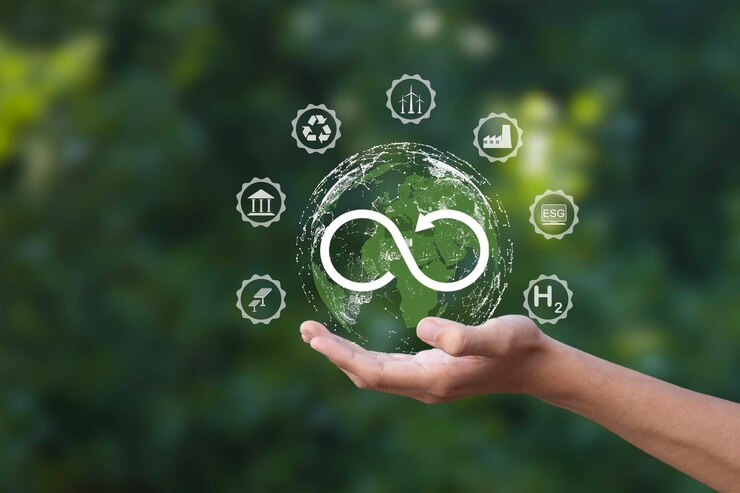
Reverse logistics — managing returns, recycling, and reuse — supports circular economy principles, reducing waste and ensuring products stay in the supply chain longer.
Key Benefits of Sustainable Supply Chains
Lower Environmental Impact
Eco‑friendly practices reduce carbon emissions, resource consumption, and waste — directly contributing to climate action and better environmental outcomes.
Cost Savings Over Time
Though green initiatives can require upfront investment, the long‑term savings from optimized fuel use, energy efficiency, and reduced waste can be significant.
Stronger Brand Reputation
Eco‑conscious consumers are increasingly influencing business decisions. Working with sustainable 3PLs like 3Gistix helps brands build trust, loyalty, and positive market perception.
Regulatory Compliance & Risk Mitigation
Government regulations on emissions, packaging waste, and sustainability reporting are becoming stricter. Proactive green logistics strategies help companies stay compliant and avoid penalties.
Improved Operational Efficiency
Sustainable logistics go hand‑in‑hand with optimized operations — from fewer empty miles to smarter inventory management — resulting in smoother workflows and fewer disruptions.
Conclusion
Sustainable supply chains are rapidly becoming a strategic differentiator in the 3PL industry. From renewable energy and green transportation to waste reduction and eco‑packaging, sustainable practices help 3PL providers stay competitive while fostering a healthier planet.
Forward‑looking companies like 3Gistix are not just responding to environmental imperatives — they are integrating sustainability into their core logistics solutions, generating cost savings, stronger brand value, and measurable environmental impact for their clients.
In a world where consumers and regulators alike demand transparency and responsibility, sustainability in logistics isn’t optional — it’s essential for long‑term business success.


