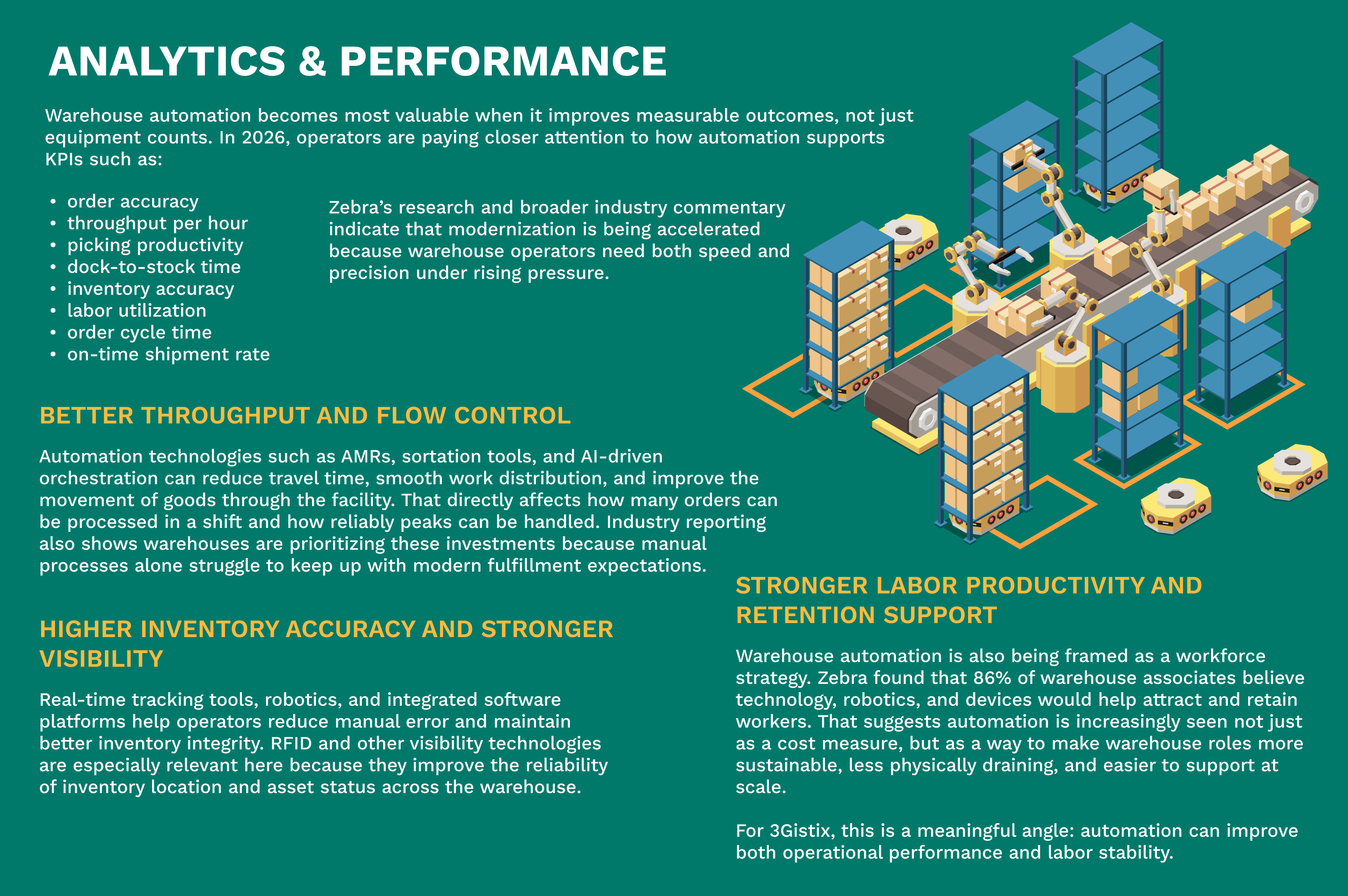
Warehouse operations are entering 2026 with a sharper focus on speed, accuracy, labor efficiency, and resilience. Rising order complexity, tighter service-level expectations, and ongoing workforce constraints are pushing operators to invest in technologies that go beyond basic mechanization. Recent industry research points to stronger adoption of intelligent automation, robotics, RFID, visibility tools, and AI-enabled software as warehouses modernize for the next phase of fulfillment. Zebra says 73% of warehouse decision-makers have accelerated modernization timelines, and 86% of associates believe warehouse technologies, robotics, and mobile devices would help attract and retain workers.
For logistics brands such as 3Gistix, this shift matters because warehouse automation is no longer just about reducing manual effort. It is becoming central to throughput, inventory visibility, fulfillment accuracy, and scalable growth. Here are the warehouse automation trends most worth watching in 2026.
Key Benefits
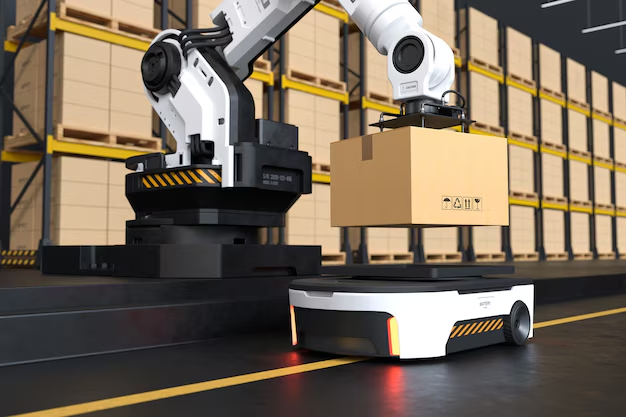
Autonomous mobile robots keep expanding
Autonomous mobile robots, or AMRs, remain one of the most important warehouse automation trends because they add flexibility without requiring the same level of fixed infrastructure as traditional automation. Industry sources continue to highlight AMRs as a major investment area, especially in high-SKU and fast-moving environments where operators need adaptable movement, replenishment, and transport capabilities. Broader market coverage and industry reporting also point to continued growth in AMR adoption and increased use in goods movement, picking support, and intralogistics workflows.
For 3Gistix, AMRs represent a strong SEO and operational talking point because they support flexible warehouse scaling while helping teams improve travel time, labor allocation, and order flow.

Human-plus-robot collaboration is becoming the practical model
In 2026, many warehouses are not pursuing full lights-out automation. Instead, they are investing in collaborative environments where people and machines work together. Zebra’s warehouse research and industry commentary around the 2025 MHI report both point to a growing emphasis on automation that augments employees rather than replaces them outright. This model is especially attractive because it helps reduce repetitive physical tasks while preserving human judgment for exceptions, supervision, and higher-value work.
For 3Gistix, that makes automation easier to position: smarter warehouses are often built through augmentation, not total replacement.
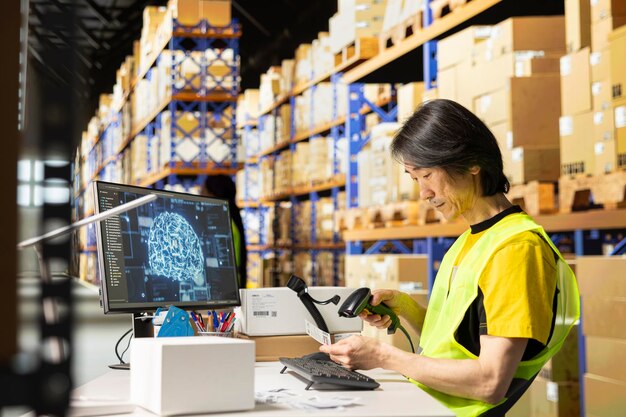
AI-enabled warehouse software is moving closer to the center
Another trend to watch is the growing role of AI in warehouse decision-making. AI is increasingly being tied to slotting, labor planning, exception handling, forecasting, and dynamic workflow orchestration. Zebra’s 2026 trend messaging specifically points to advanced AI-enabled software as part of intelligent operations, while other industry reporting connects AI with optimization of warehouse scale, routing, and process decisions.
For 3Gistix, this is important because software-driven automation often delivers value faster by improving decisions across existing warehouse infrastructure instead of relying only on major hardware deployments.

RFID and real-time visibility tools are gaining more priority
Warehouse automation is no longer limited to moving goods faster; it also includes knowing exactly where assets, inventory, and exceptions are in real time. Zebra’s 2026 outlook explicitly ties RFID and intelligent automation to stronger asset visibility and more resilient supply chains. This suggests that real-time tracking technologies are becoming a more central part of warehouse modernization strategies.
For 3Gistix, visibility is a major performance message because it supports more accurate inventory status, faster cycle counts, fewer search delays, and better customer communication.
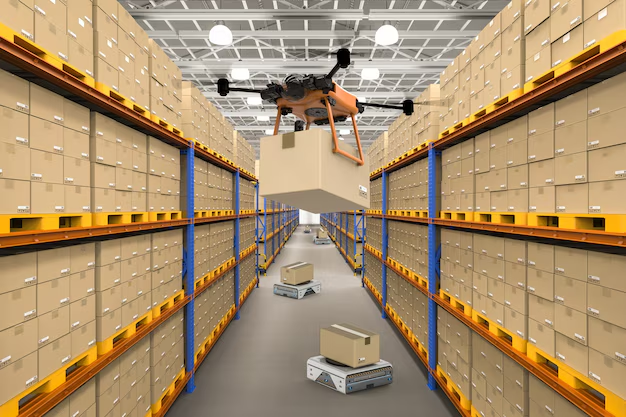
Modular and scalable automation is becoming more attractive
Operators increasingly want automation that can expand or adapt as demand changes. Recent 2026-focused reporting highlights modular automation approaches, including flexible AMR fleets and scalable sortation concepts that can adjust with seasonal peaks instead of locking operators into rigid layouts. That aligns with the broader market need for automation systems that improve throughput without reducing agility.
For 3Gistix, modular automation supports a practical value proposition: clients can modernize in stages while preserving flexibility.
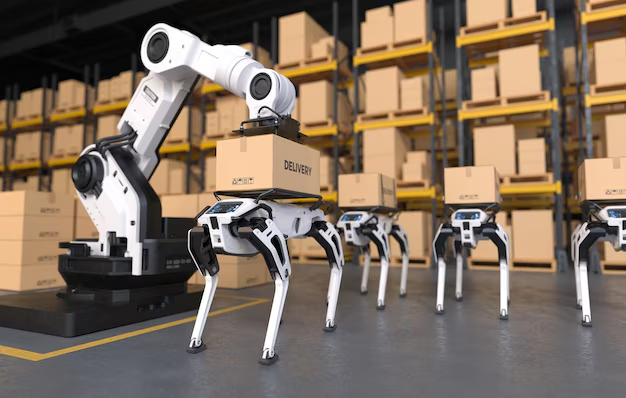
Advanced robotics is evolving beyond basic movement
The robotics conversation in warehousing is also broadening. While AMRs and robotic arms remain the core technologies today, major logistics players are actively piloting more advanced robotics concepts, including humanoid robots for selected tasks. Business reporting on GXO and Amazon shows that robotics investment is continuing to grow, although large-scale use of humanoids is still experimental rather than mainstream.
This matters for 3Gistix because it shows where the market may be heading: more sophisticated robotics will likely enter warehouses gradually, beginning with narrow, high-repeat workflows.

Conclusion
The warehouse automation trends shaping 2026 point in a clear direction: smarter, more flexible, and more visible operations. AMRs, collaborative robotics, AI-enabled warehouse software, RFID, modular automation, and next-generation robotics are all gaining attention because warehouses need faster fulfillment, stronger accuracy, and better use of labor. Zebra’s current research shows modernization is accelerating, and industry coverage suggests the next wave of automation will be defined by intelligence and adaptability as much as by machinery.
For 3Gistix, warehouse automation in 2026 is a strong content theme because it connects directly to what shippers and logistics clients now expect: resilience, visibility, efficiency, and scalable fulfillment performance.
References
- Zebra Technologies – Warehousing Vision Study
- Zebra Technologies – 2026 Industry Trends for the Era of Intelligent Operations
- Infios – How Warehouses Are Modernizing for 2026 and Beyond
- MHIview – Inside the 2025 MHI Annual Industry Report
- Arculus – Warehouse Automation Trends to Look Out for in 2026